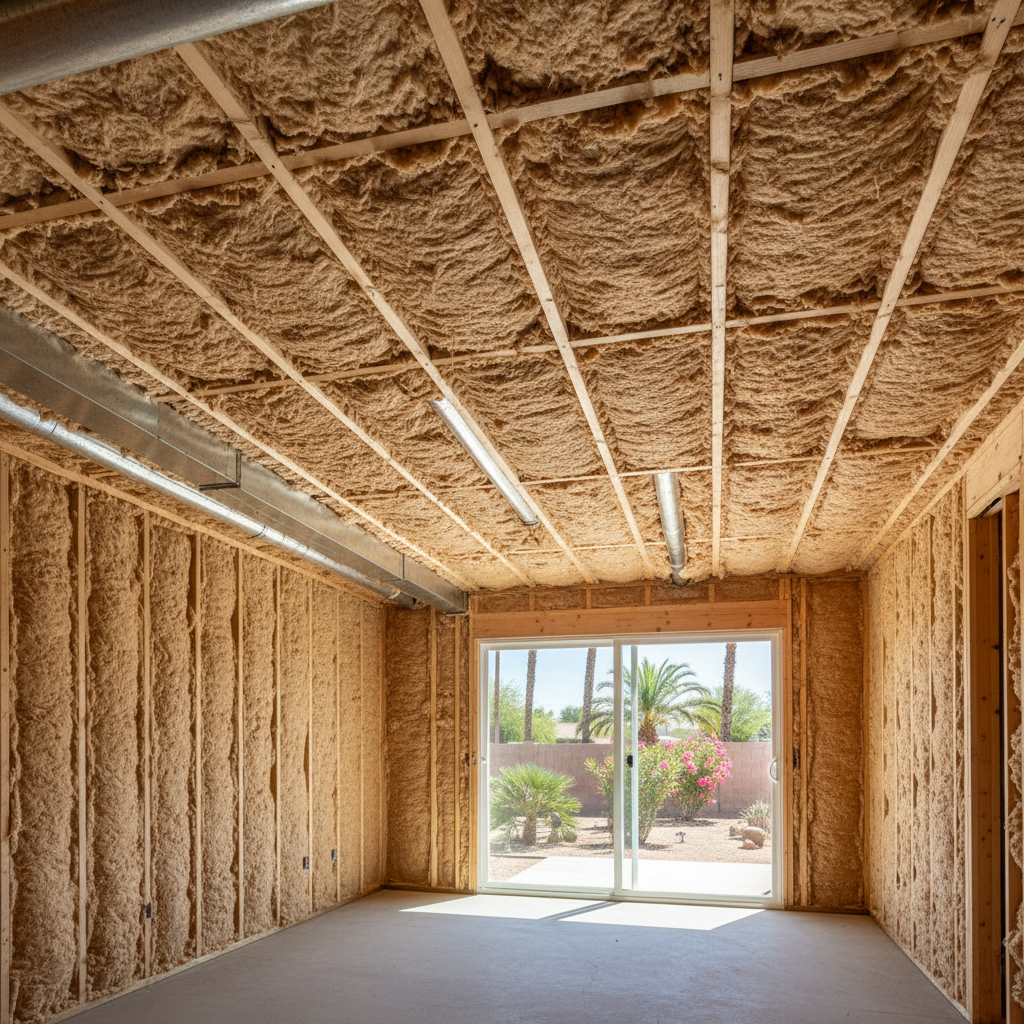
Alright, let's talk about finding an insulation contractor here in Mesa. It's not always as straightforward as it should be, and frankly, I've seen plenty of folks get burned by bad advice or shoddy work. You're looking to make your home more comfortable and save some cash on those brutal AC bills, and you deserve a contractor who's going to deliver on that promise. So, let's cut to the chase and talk about what you really need to know when you're looking to hire someone.
What Questions Should You Be Asking?
When someone comes to your house for an estimate, don't be shy. This is your home, your money. You need answers. Here are some of the key questions I'd be asking if I were in your shoes:
What kind of insulation do you recommend for my specific home and why? Don't just let them say "spray foam" or "batt." Make them explain their reasoning. Is it about R-value, air sealing, moisture control, or something else specific to your attic or walls? You need to know.
Can you explain the installation process, step-by-step? I want to know what to expect. How long will it take? What prep work do I need to do? And what about cleanup?
What kind of warranty or guarantee do you offer on your work and the materials? This is huge. If they don't stand behind their work, that's a problem.
Are your installers employees or subcontractors? This matters for accountability and quality control. At Spray Foam Pros of Mesa, our guys are employees, and we train them right.
How do you handle ventilation in the attic, especially with a sealed system? This is critical in our hot climate. You don't want a contractor who overlooks this.
What's your plan for sealing air leaks before insulating? Insulation works best when air leaks are sealed up. If they don't talk about air sealing, they're missing a big piece of the puzzle.
Can you provide references from recent clients in the Mesa area? A good contractor should have no problem with this.
Decoding the Quote: What to Look For
You'll get a few quotes, I guarantee it. Don't just look at the bottom line. You need to understand what you're actually paying for. Here's what a good quote should include:
Detailed Scope of Work: It should clearly state what areas are being insulated (attic, walls, crawl space, etc.), the type of insulation, the R-value, and the thickness or density. Vague descriptions are a red flag.
Material Specifications: What brand of insulation are they using? Is it open-cell or closed-cell spray foam? What's the R-value per inch? This level of detail shows they know their stuff.
Prep and Cleanup: A good quote will outline what they'll do to prepare the area (e.g., removing old insulation, sealing penetrations) and how they'll clean up afterward. You don't want to be left with a mess.
Warranty Information: The quote should mention the warranty on both materials and labor. If it's not there, ask for it in writing.
Total Cost and Payment Schedule: Obvious, right? But make sure it's clear. Are there any hidden fees? What's the deposit, and when is the final payment due?
Permits: For certain types of insulation work, especially in older homes or if you're doing a major overhaul, the city of Mesa might require permits. A reputable contractor will handle this.
Watch Out for These Red Flags
I've seen enough to know when something's not right. Here are some things that should make you pump the brakes:
High-Pressure Sales Tactics: "This deal is only good today!" or "I'm in your neighborhood, so I can give you a special discount if you sign now!" Run. A legitimate business doesn't need to strong-arm you.
Cash-Only Deals: This is a classic move for folks trying to avoid taxes and accountability. Don't do it. You'll have no recourse if something goes wrong.
No Contract or Vague Contracts: If they don't want to put everything in writing, or the contract is super short and lacks detail, that's a huge problem. Get everything spelled out.
Unsolicited Door-to-Door Sales: While some reputable companies do canvass, be extra cautious. Always verify their legitimacy independently.
Lack of Insurance or Licensing: If they can't provide proof of both, they're not a real business, and you're taking a massive risk. Imagine if someone gets hurt on your property.
Extremely Low Bids: If one quote is significantly lower than all the others, there's usually a reason. They might be cutting corners on materials, labor, or not including everything in the scope. You get what you pay for, especially with insulation.
How to Verify They're Legitimate
You've got a few names, you've asked your questions. Now, do your homework:
Check Their License: In Arizona, contractors need to be licensed by the Arizona Registrar of Contractors (ROC). You can look them up on the ROC website by name or license number. Make sure their license is active and they don't have a history of complaints. This is non-negotiable.
Verify Insurance: Ask for a certificate of insurance for both general liability and workers' compensation. Call their insurance provider to confirm it's current. This protects you if there's an accident or damage.
Read Online Reviews: Check Google, Yelp, and the Better Business Bureau (BBB). Don't just look at the star rating; read the actual reviews. How do they respond to negative feedback? A few bad reviews aren't necessarily a deal-breaker if they've addressed them professionally.
Ask for References: As I mentioned, a good contractor should be happy to provide a few recent client contacts. Call them! Ask about their experience, the quality of the work, and if they'd hire them again.
Physical Address and Website: Do they have a professional website? A physical address that isn't just a P.O. Box? These indicate a more established business. For instance, we're right here in Mesa, not some fly-by-night operation.
Look, hiring someone to work on your home is a big deal. Take your time, ask the tough questions, and don't settle for less than a contractor who's transparent, licensed, insured, and has a solid reputation. Your comfort and your wallet will thank you for it.