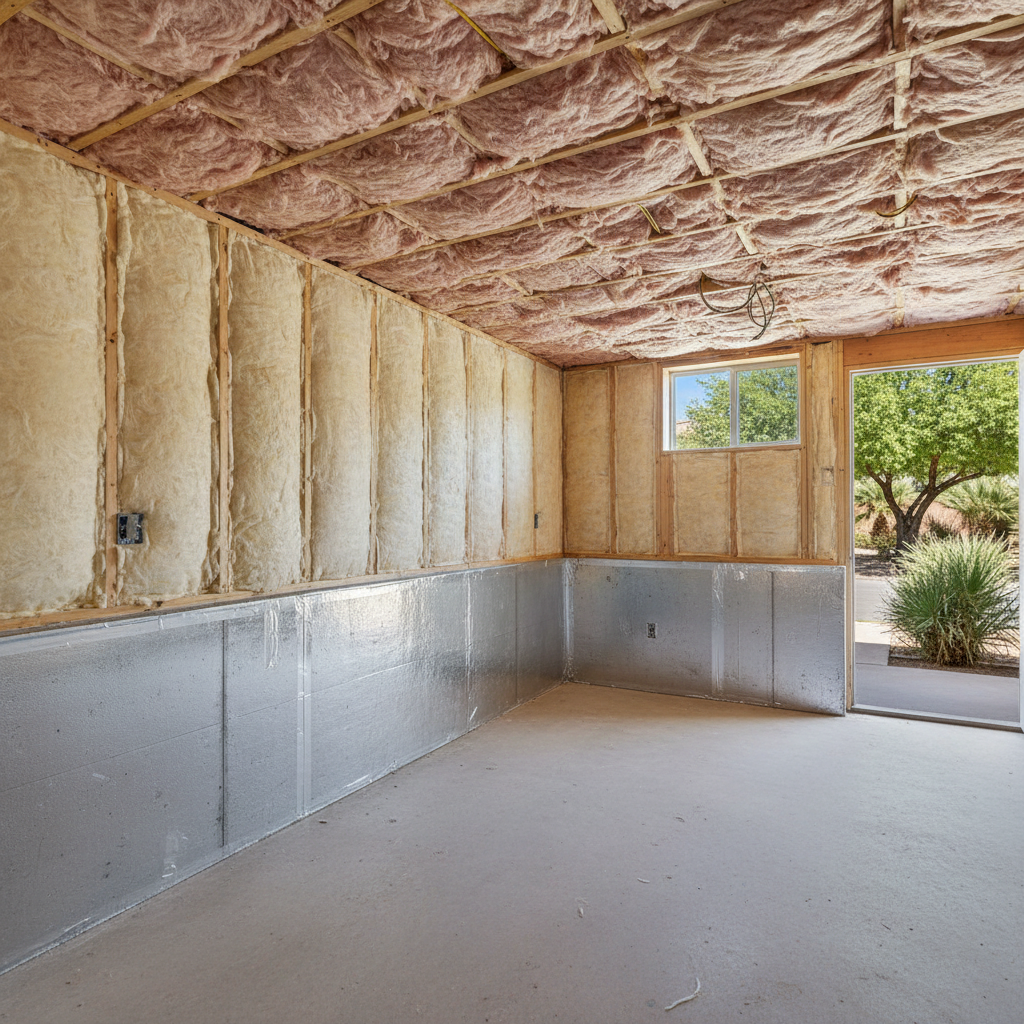
Alright, let's talk basements. Here in Mesa, they're not as common as in other parts of the country, but if you've got one, you know it can be a whole different beast when it comes to keeping your home comfortable and your energy bills down. I've seen a lot of folks try to tackle basement insulation, and frankly, I've seen a lot of them mess it up. Not because they're bad people, mind you, but because they just don't know what they don't know. So, I'm gonna lay out some of the biggest mistakes I see homeowners make when planning or hiring for basement insulation. Pay attention; this could save you a headache and a good chunk of change.
Mistake #1: Ignoring Moisture Management First
This is probably the biggest one, and it's a killer. You can throw all the insulation you want at a basement wall, but if you haven't dealt with moisture, you're just asking for trouble. Basements are underground, right? That means they're constantly interacting with the soil, and here in Mesa, even though it's dry, we can get those intense monsoon downpours that saturate the ground. If you've got cracks in your foundation, poor exterior drainage, or even just high humidity, that moisture will find its way in. Insulating over a wet wall is a recipe for mold, mildew, and ruined insulation. Before you even think about R-values, you need to make sure your basement is dry. That means checking for leaks, making sure your gutters are working right, and maybe even considering a dehumidifier if you have persistent humidity issues. Don't skip this step – it's foundational.
Mistake #2: Choosing the Wrong Type of Insulation for Below Grade
Not all insulation is created equal, especially when it comes to basements. I've seen people try to use standard fiberglass batts directly against concrete walls. Bad idea. Fiberglass can absorb moisture like a sponge, losing its R-value and becoming a breeding ground for mold. You need materials that can handle the unique conditions of a basement. Rigid foam boards (like XPS or EPS) are a much better choice for direct contact with concrete because they resist moisture. Spray foam is another excellent option; it creates an airtight seal and isn't affected by moisture in the same way fibrous materials are. If someone tries to sell you on standard paper-faced batts for your basement walls, that's a red flag. They either don't know what they're doing, or they're trying to cut corners.
Mistake #3: Forgetting About Air Sealing
Insulation is great for slowing heat transfer, but it doesn't stop air movement. Air leaks are huge energy suckers. In a basement, you've got all sorts of places where air can sneak in or out: rim joists, penetrations for pipes and wires, and even small cracks in the foundation. If you're just putting up insulation without addressing these air leaks, you're leaving a lot of money on the table. A good basement insulation job always includes thorough air sealing. This is where spray foam really shines, as it insulates and air seals in one go. But even with rigid foam boards, you need to seal all the seams and edges with tape or caulk. Don't let a contractor tell you air sealing isn't important in a basement; they're wrong.
Mistake #4: Not Insulating the Rim Joist
The rim joist is that band of wood framing around the perimeter of your house, right above the foundation wall. It's often overlooked, but it's a major source of air leakage and heat loss in a basement. Think about it: it's where the foundation meets the house framing, and there are usually gaps and cracks. Leaving it uninsulated or poorly insulated is like leaving a window open. I always make sure to emphasize the importance of insulating and air sealing the rim joist. It's a relatively small area, but it makes a huge difference in overall basement comfort and energy efficiency. Spray foam is particularly effective here because it conforms to all the nooks and crannies, creating a perfect seal.
Mistake #5: Going Too Cheap on Materials or Labor
Look, I get it. Everyone wants to save a buck. But basement insulation isn't the place to pinch pennies to the point of compromising quality. Hiring the cheapest guy who shows up with a truck and a can of foam might seem like a win, but if they don't know the specifics of basement applications, you'll pay for it later. Improperly installed insulation can lead to condensation issues, mold, and poor performance, meaning you'll end up redoing it sooner than you think. Invest in quality, moisture-resistant materials and a contractor who understands basement dynamics. Ask about their experience with basements specifically, not just general insulation. A reputable company, like us at Spray Foam Pros of Mesa, will walk you through the right options and explain why certain materials are best for your situation.
Your basement, even if it's just for storage, still affects the overall energy performance and comfort of your home. Get it right the first time, and you'll be glad you did.