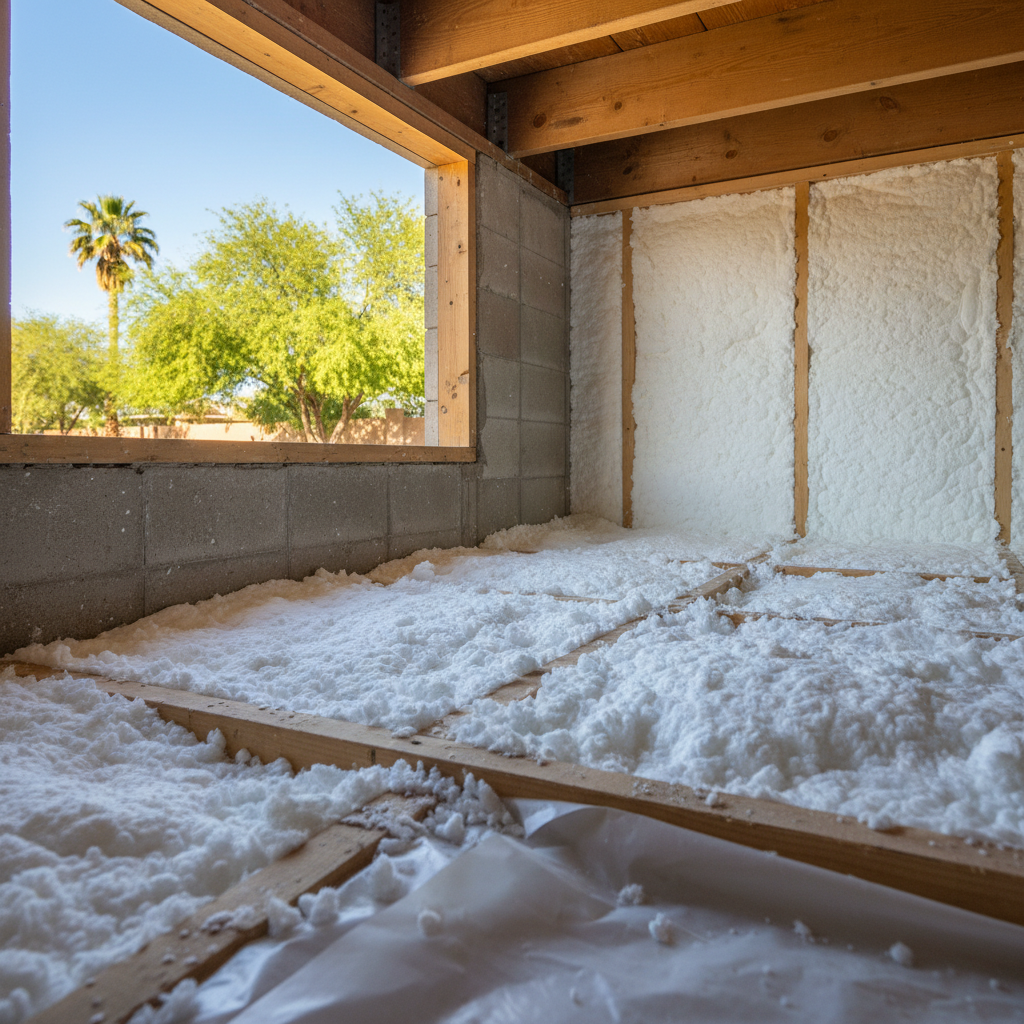
Alright, let's talk about crawl spaces here in Mesa. A lot of folks don't even think about 'em until their floors are freezing in the winter or their AC bills are through the roof in the summer. But your crawl space, believe it or not, plays a huge part in how comfortable your home feels and how much energy it uses. Ignoring it? That's like leaving a window open all year long.
You've got options for insulating down there. Some of it you can definitely handle yourself. Other parts? Not so much. I'm going to break down what you need to know before, during, and after the project, whether you're getting your hands dirty or hiring someone like us.
Before You Start: Planning & Prep
First things first, you gotta get down there and see what you're dealing with. Is it a vented crawl space or an unvented one? Most older homes around Mesa, especially those built in the '70s and '80s in neighborhoods like Dobson Ranch, usually have vented crawl spaces. This means they've got vents to the outside, supposedly to let moisture out. The problem is, they often let a whole lot of hot, humid air in during our summers, or cold air in during our short winters. Your HVAC ends up working overtime, and for what?
- Check for Moisture: This is HUGE. You can't just slap insulation over a moisture problem. Look for standing water, damp soil, mold, or mildew. If you find any, you need to address the source first. That might mean improving drainage around your foundation, fixing plumbing leaks, or even installing a vapor barrier right on the ground.
- Clear the Clutter: Get rid of any debris, old construction materials, or anything else that's just sitting down there. You need a clean workspace, plain and simple.
- Pest Control: See any signs of rodents, insects, or other critters? Seal up entry points and deal with any existing infestations. You absolutely don't want to trap pests in with your new insulation.
- Safety Gear: Crawl spaces are dirty, dusty, and sometimes tight. You'll need a good respirator, gloves, eye protection, a headlamp, and old clothes. Trust me, you don't want to breathe in that stuff.
DIY vs. Pro: What You Can Tackle
So, what can you realistically do yourself?
- Vapor Barrier Installation: If you've got bare dirt down there, laying down a heavy-duty vapor barrier (usually 6-mil or thicker polyethylene sheeting) is a great DIY project. You lay it over the ground, overlapping seams by at least 6-12 inches, and tape them up. Run it up the foundation walls a few inches too. This helps stop ground moisture from evaporating into your crawl space. It's a bit of a pain to maneuver in tight spaces, but it's totally doable.
- Insulating Rim Joists: The rim joists are the perimeter boards that sit on top of your foundation walls. They're a common spot for air leaks. You can cut rigid foam board insulation to fit snugly in these cavities and seal the edges with expanding foam sealant. This is a bit fiddly but can make a noticeable difference.
Now, when should you call in a pro? This is where it gets important. Anything involving spray foam, extensive air sealing, or dealing with major moisture issues is usually best left to the experts.
- Spray Foam Insulation: If you're looking to insulate the underside of your subfloor or the foundation walls themselves, spray foam is often the best choice for our climate. It creates an incredible air seal and R-value. But it's not a DIY job. It requires specialized equipment, training, and safety precautions. You don't want to mess around with two-part spray foam kits unless you really know what you're doing.
- Encapsulation: This is the whole shebang – sealing off your crawl space entirely from the outside. That often means a heavy-duty vapor barrier extending up the walls, sealing vents, and sometimes even conditioning the air. This is a complex project that often involves specialized equipment and knowledge of building science. If you're serious about transforming your crawl space, this is a job for someone like us at Spray Foam Pros of Mesa.
- Major Moisture or Structural Issues: If you've got persistent standing water, mold, or signs of structural damage, you absolutely need to call in a professional contractor or even an engineer before you even think about insulation.
During the Project: What to Expect
If you're doing the DIY stuff, take your time. Crawl spaces are often tight, dark, and uncomfortable. Don't rush it. Measure twice, cut once. Make sure your vapor barrier is properly overlapped and taped. When you're sealing rim joists, use a good quality low-expansion foam sealant to avoid bowing anything out.
If you hire a pro for spray foam or encapsulation, they'll usually start by prepping the area, making sure it's clean and dry. They'll then apply the spray foam or install the heavy-duty vapor barrier, sealing everything up tight. They should also be taking safety precautions, like ventilation, to protect themselves and your home.
After the Work is Done: Enjoy the Benefits
Once your crawl space is properly insulated and sealed, you should notice a few things pretty quickly:
- Lower Energy Bills: Your HVAC system won't have to work as hard to maintain a comfortable temperature.
- More Comfortable Floors: No more cold spots or hot spots coming up from below.
- Improved Indoor Air Quality: Sealing off the crawl space can prevent musty odors and allergens from entering your living space.
- Pest Reduction: A sealed crawl space is just less inviting for critters.
Keep an eye on things for a while. Periodically check your crawl space for any new moisture issues or signs of pests. If you went with a full encapsulation, your contractor might recommend a dehumidifier down there, especially in our humid monsoon season, to keep things optimally dry.
Look, insulating your crawl space is a solid investment in your home's comfort and efficiency. Whether you're tackling some of it yourself or bringing in the pros, doing it right makes a real difference here in Mesa.