Alright, let's talk about getting rid of old insulation. Nobody really wants to think about it, but sometimes it just has to happen. Maybe you've had a rodent problem, some water damage, or you're just upgrading to something way more efficient like spray foam. Whatever the reason, you're probably asking, "What's this going to set me back?"
I've been doing this for a while here in Mesa, and believe me, I've seen all kinds of situations. So, I'm going to give you the straight scoop on insulation removal costs. We're not talking about some vague "it depends" answer here; I'll give you actual numbers based on what we see day in and day out.
What Makes Insulation Removal Cost What It Does?
A few big things really drive the price up or down. It's not just about the square footage, though that's a big part of it. Here's what we look at:
- Type of Insulation: This is huge. Removing old blown-in fiberglass or cellulose is generally the most common, and often the easiest. It's dusty, sure, but it vacuums out pretty well. Batt insulation (like those pink rolls) can be a bit more labor-intensive because we have to pull it out by hand, cut it, and bag it. Vermiculite insulation, which sometimes contains asbestos, is a whole different beast. If we suspect vermiculite, we'll tell you to get it tested by a certified lab immediately. If it tests positive for asbestos, you're looking at specialized abatement contractors. That's a much higher price tag, usually starting in the several thousands, not hundreds.
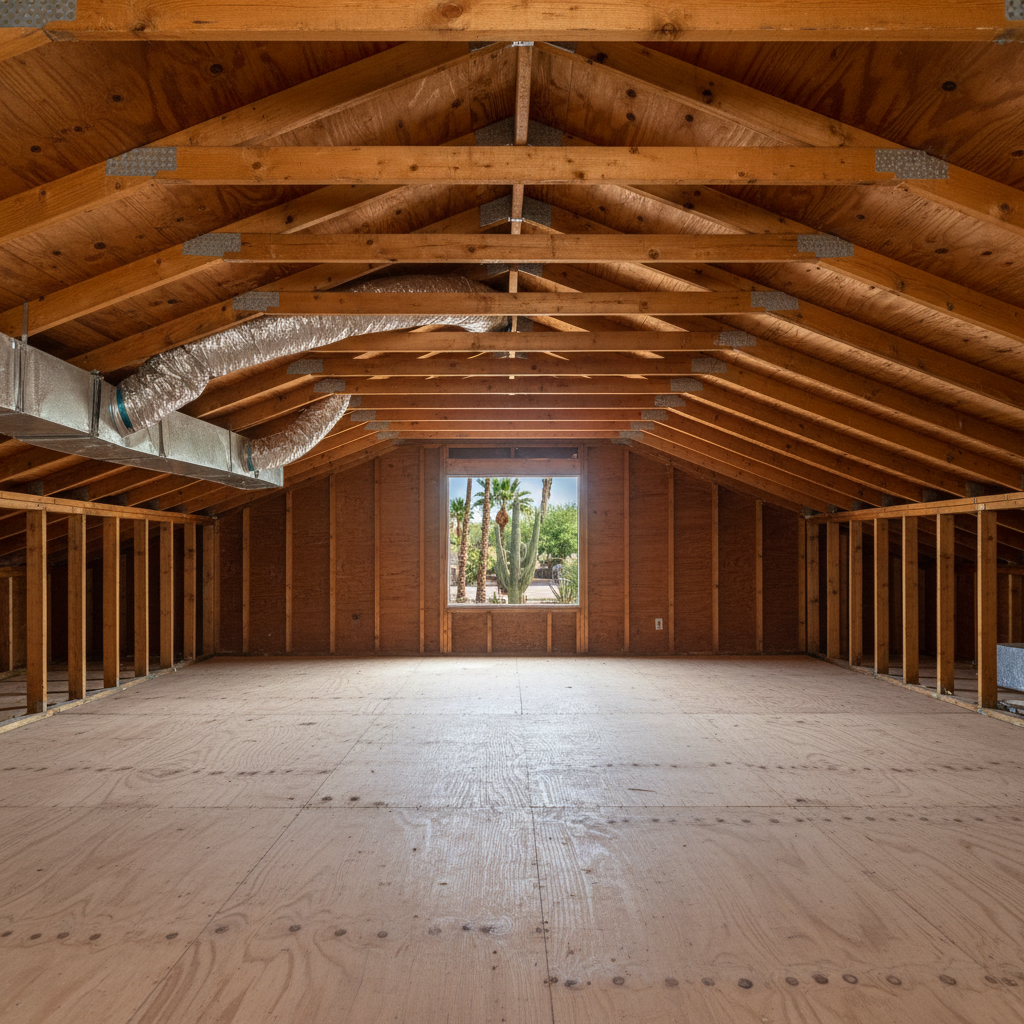
- Accessibility: Is it a wide-open attic that's easy to move around in? Or is it a tight, cramped crawl space under an older home in the Dobson Ranch area, filled with ductwork and barely enough room to army crawl? The harder it is to get to the insulation, the longer it takes, and the more it costs. Low-pitch roofs or attics with minimal headroom are also challenging.
- Contamination Level: This is a big one for us. If your insulation is just old and dusty, that's one thing. If it's soaked with rodent urine, covered in droppings, or moldy from a leaky roof, that requires extra precautions and often additional services like sanitization and odor removal. This isn't just about smell; it's about health hazards, plain and simple.
- Volume and Depth: More insulation means more material to remove, bag, and dispose of. Simple as that. If you've got 18 inches of old blown-in, that's a lot more work than 6 inches.
- Disposal Fees: We have to take this stuff to the dump, and they charge us by weight. These fees get factored into your quote.
Typical Cost Ranges for Insulation Removal in Mesa
Alright, let's get down to the numbers. Keep in mind these are averages for a typical Mesa home, and your specific situation might vary.
- Blown-in Fiberglass or Cellulose (Attic): For a standard 1,500 to 2,500 sq ft attic, you're usually looking at $1.50 to $3.00 per square foot. So, for a 2,000 sq ft attic, that's roughly $3,000 to $6,000. This includes vacuuming out the material, bagging it, and disposing of it. If there's light contamination (a few rodent droppings), it might be on the higher end.
- Batt Insulation (Attic or Walls): This is often a bit more labor-intensive. For an attic, it can run $2.00 to $4.00 per square foot. For walls, it's usually part of a larger renovation project where drywall is already open, and the cost is integrated. If we're just pulling out old batts from an attic, expect a similar range to blown-in, maybe slightly higher due to manual handling.
- Crawl Space Insulation: This is almost always more expensive per square foot than an attic because of the tight quarters. Expect $3.00 to $6.00 per square foot, sometimes more if it's really nasty or hard to access. A small 800 sq ft crawl space could easily be $2,400 to $4,800.
- Contaminated Insulation (Rodents/Mold): If we're talking heavy contamination, like a serious rodent infestation or widespread mold, you'll add 25% to 50% or even more to the base removal cost. This covers specialized PPE, biocide treatments, and extensive cleanup. A full attic sanitization and deodorization can add another $500 to $1,500+ depending on severity.
So, for a typical 2,000 sq ft Mesa home needing old blown-in removed from the attic, a fair price is likely somewhere in the $3,000 to $5,000 range for removal and disposal, assuming no major contamination or access issues.
What Should Be Included in Your Quote?
When you get a quote from a company like Spray Foam Pros of Mesa, here's what you should expect to see detailed:
- Labor Costs: This covers the crew's time on site.
- Equipment Rental/Usage: The big insulation vacuums, hoses, safety gear, etc.
- Material Disposal Fees: The cost to legally and properly dispose of the old insulation.
- Containment: Setting up barriers to prevent dust and debris from entering your living space.
- Cleanup: Thorough cleanup of the work area after removal.
- Any Additional Services: Like sanitization, air sealing, or rodent proofing if discussed.
A good quote won't just be a single number. It'll break down these elements so you understand what you're paying for.
How to Avoid Overpaying
Nobody wants to get ripped off, especially when it comes to something as unglamorous as insulation removal. Here are my tips:
- Get Multiple Quotes: This is standard advice for a reason. Get at least three detailed quotes from reputable local companies. Don't just go with the cheapest; compare what's included.
- Ask for an On-Site Inspection: Any contractor who gives you a firm price over the phone without seeing your attic or crawl space is probably guessing. We need to see the actual conditions to give you an accurate estimate.
- Understand the Scope: Make sure you and the contractor are on the same page about what's being removed, from where, and what condition it's in. If you think it's just dusty but we find a family of raccoons, the price will change.
- Check References and Reviews: See what other Mesa homeowners are saying about them. Are they reliable? Do they stick to their quotes?
- Don't Be Afraid to Ask Questions: If something in the quote doesn't make sense, ask for clarification. A good contractor will be happy to explain.
Getting old insulation out is a dirty job, but it's often a necessary first step to making your home more comfortable and energy-efficient. Do your homework, get solid quotes, and you'll be able to get it done right without breaking the bank.